|
|
|
|
INTRODUCTION Opened in June of
2001, RainForest Adventures is a
|
|
|
| Drawn by: Sarah Proffit 6th Grade |
Mammal-Mammals are some of the least common animals on the planet. Man is a mammal. Usually having fur, and usually giving birth to live babies all mammals’ breath air. The Blue Whale is the largest mammal on the planet; the shrew is one of the smallest mammals on the planet. Mammals range from giant meat eating tigers to tiny little bunny rabbits that only eat vegetable gardens!!
Ø How many students have a mammal living in their home? (Dogs, cats, hamsters, little brothers!)
Ø Are people mammals?
Ø BONUS QUESTIONS!!
o Name a mammal that lives in the water. (Whales/Dolphins)
o Name a mammal that can fly! (Bats)
Amphibian-Frogs
and toads are some of the most recognizable members of the amphibian family.
Most amphibians lay eggs and eat insects. Most amphibians go through
metamorphosis to turn into adults. Almost all amphibians need lots of
clean
water since their skin is usually soft and smooth. Some amphibians leave the
water rather extensively while others rarely if ever leave the water. East
Tennessee is home to some of the rarest and most unusual amphibians in the
world. The Smoky Mountains boast rare and unusual amphibians found nowhere else.
Can you name a couple?
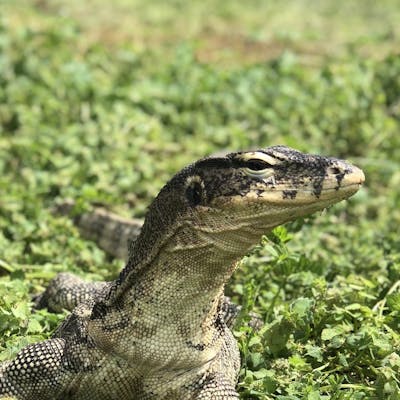
Reptile-A large and primitive family, the reptiles comprise an amazingly large group of animals. The entire family has backbones, also are known as vertebrates. Usually covered with scales or rough skin, reptiles have developed some amazing textures to cope with their often-harsh environments. Alligators, crocodiles, turtles, tortoises, snakes, and the lizards are the primary groups of animals that make up the family of reptiles. While most lay eggs, some do give birth to live babies. Some reptiles are carnivores, others herbivores and still some, omnivores. All reptiles are "Cold-blooded" a not so accurate way of describing an exothermic animal. Due to their natural habit of basking most reptiles actually maintain a blood temperature at or above mammals!
Ø What is an Omnivore? (Most people are omnivores, sorry Dr. Atkins!)
Ø What is a Carnivore?
Ø What is an Herbivore? (Discuss root of word Herbivore)
Ø What is an Insectivore? (Discuss root of word Insectivore)
Invertebrates-The
largest family of animals on the planet, Invertebrates range from spiders to
crabs. Some 95% of all living animals are invertebrates. An amazing family of
animals most never bother human beings, although throughout time man has been
plagued, quite literally, by insects such as mosquito’s, locust etc. that have
caused more problems for humans than all other living animals combined.
Educators: Ask your class what the most dangerous animal in the United States is? Most will guess bears, spiders, snakes.... the real answer is mosquitoes! Mosquitoes killed over 240 people in the United States in 2002 alone. That is more fatalities than from all other animals combined. Remember; never judge a book by its cover.
K-3 RainForest Quest (During)
This section of the program contains suggested questions and answers for you or your students to use during their visit to the RainForest. Once again, you may choose to download and print any questions from any age range, however the questions in this section have been chosen based on input from educators teaching in the age range covered by this section.
Click Here for a PDF version without the answers
1. Q. What is one of the main differences between a turtle and a tortoise?
A. Turtles live primarily in water, tortoises live primarily on land.
2. Q. What part of the world do alligators primarily live in?
A. The southeastern United States.
3. Q. Are rattlesnakes poisonous?
A. No, they are venomous. Poison is something you ingest or swallow.
4. Q. What do parrots eat?
A. Seeds, fruits and nuts.
5. Q. What does a Milk Snake eat?
A. Rodents, the common name comes for the belief that they drank the milk of cows. This is a classic case of guilty by association, the snakes were in the barns eating the rodents that were eating the cows food!
6. Q. What is the longest snake in the world?
A. The Reticulated python. 33’
7. Q. Why are coral snakes so brightly colored?
A. To warn predators; don’t mess with me! Can your students name other brightly colored creatures they know to leave alone? (Bees, wasps)
8. Q. How long can tortoises live?
A. Over 100 years! The oldest animals on land!
9. Q. Can you name two continents that have Rain Forests?
A. Australia, Africa, South America, Asia, North America
10. Q. What is camouflage?
A. Coloration that helps an animal hide from its enemies.
Click Here for a PDF version without the answers
K-3 Classroom Quest (After)
Now
that your class has returned from its trip to RainForest,
you can use this opportunity to review and explore
some interesting questions
about your exploration.
Head Count? How many species or individual animals can your students name? Turn this into a game with the winner receiving a prize. Depending on the age of the children you may wish to include some additional information such as maximum size, diet, geographical range etc.
What is it? Find pictures or drawings of animals featuring unique or special adaptations. These unique features may include things like the prehensile tail on an opossum, or the long neck of a giraffe. Try to have the students gather as many unique photos as possible.
Paste the pictures on poster board or card board (Painted to resemble a jungle) Cover each picture with heavy paper such as construction paper. Cut a window that will allow the students to reveal the unique adaptation i.e. A picture of a duck may have his feet covered to show the paddle like skin that allows the animal to swim so effectively.
“RainForest Photo” Contest Have your students draw pictures of their favorite animals from the visit to RainForest. Use this opportunity to discuss the various anatomical components of the creatures such as feathers, shells, fangs etc.
| Free Coupon | School Programs, | Group Event, | Shop RainForest, | Rainforest Animals, | Smoky Mtn Links, |
|
|