|
|
|
|
Range: The most wide spread
monitor in Africa. This species is found throughout the continent
with the exception of the Sahara.
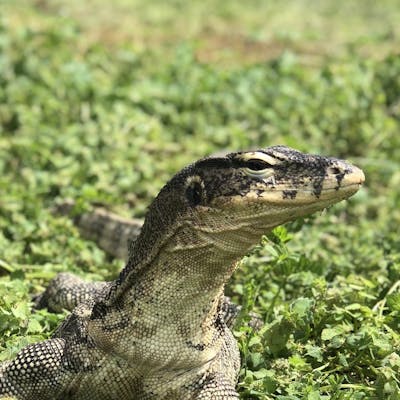
Habitat: Generally found near lakes or streams. Prefers lightly forested areas, but given the vast geography of this species they can be found in virtually any habitat. Natural Diet: Rodents, snakes, other lizards. Diet at Rain Forest: Meat, rodents & fish Rain Forest Facts: This monitor can grow to six feet in length. The Nile Monitor is believed to be named for it's ability to to stand on it's hind legs and look out, or monitor, it's habitat. Another belief is the name is derived from the lizards ability to monitor female crocodiles, raiding their nests when the female is not on guard. Crocodile eggs are relished by most monitor lizard species. This species is believed to be the most prolific of all monitor lizards alive today. Clutches of over 50 eggs have been documented. This compares to the relatively small clutches of 6-8 eggs for species like the Savannah monitor.
Introduced into the south western coastal areas of Florida this large lizard is having a negative impact on native wildlife including ground nesting birds etc. This animal occasionally finds it's way into the pet trade. Young animals can have very bright color patterns. This species is known to generally have an aggressive disposition. Size: 4-6 feet. Status in Wild: Declining in native habitat. Massive numbers of these animals are still killed for their skins. Literally hundreds of thousands of Nile Monitors are killed annually to supply the demand in Europe and other developing countries. Introduced species in certain areas (west central Florida)
|
|
|