Zoo Admission and Hours
We are open from 9am-5pm daily
$18.99 for Adults
$11.99 for Children (ages 2-11)
Explore the Rainforests of the World
Our Zoo
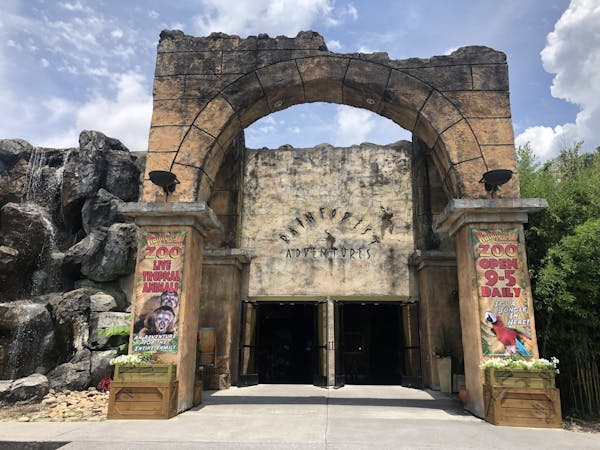
Located in the heart of the beautiful Smoky Mountains of Tennessee, near both Gatlinburg and Pigeon Forge, RainForest Adventures Zoo is open year-round with lots of things to see and do!
RainForest Zoo has been themed by one of the nation’s finest zoological contractors, whose work includes the Animal Kingdom at Disney World.

Our Animals
RainForest Adventures zoo is home to hundreds of tropical and temperate animals. Our focus is primarily on the animals you are likely to see on the Animal Planet, Discovery Channel, or other similar nature shows.
The majority of our animals at RainForest Adventures Zoo have been born or hatched in captivity. We have animals on loan from zoos all across the U.S., primarily for the purpose of education. So while visiting Pigeon Forge and Gatlinburg, take a break and come and meet our family of zoo animals!
- Reptiles: Snakes, Turtles, Tortoises, Crocodilians, Lizards, and more!
- Mammals: Binturong, African Serval, Lemurs, Sugar Gliders, Hedgehogs, and more!
- Birds: Blue & Gold Macaw, Cockatoos, Parrots, Finches, Toucans and more!
- Bugs: Tarantulas, Scorpions, Cockroaches, and more!
- Amphibians: Frogs, Toads, Bullfrogs, Axolotls and more!
We have Axolotls! Come see them in their new home!

A Little Birdie Told Me...★★★★★

They have a wide variety of animals... some we had never seen or heard of before which blew our minds! For a couple hours of entertainment, it was a good price! We loved that we had opportunities to speak with the caregivers there and also had some up close interactions with the animals. We will be back!
– Tabitha B. | Tripadvisor
Prior to our most recent trip to Gatlinburg, I had never been to the Rainforest Adventures Zoo. After it's discovery, my son and I fell in love with it! The the tickets are very reasonable! Everyone was so nice and welcoming. They had the cutest animals and it was just an overall amazing experience. I will return again soon! :)
– Lauren K. | Tripadvisor
Have been several times with my children on school field trips. All my children as well as my husband and I enjoyed the adventure. The show at the beginning was very exciting with the guide showing certain animals and letting the children interact in the show. Walking thru the animal exhibits was great as well. Will go again!!!
– Kelly B. | Tripadvisor
This place never disappoints. My family enjoys doing this every year we come to the area. It has become a family tradition that we will continue for years to come.
– Lisa B. | Tripadvisor
This place is amazing. We go to many Zoo's with the grand babies and their parents. The kids were so excited the second we walked in the door. Thank you for doing what you do. This is something we will do every time we visit The Great Smokey Mountains.
– Loretta B. | Tripadvisor
We visited with a handicapped child in w/c with the school. It is one of the few handicapped places she could go with her class that she could do all activities. It was great. I have a pic of her with her hand on the glass with a lemur with his hand on hers. It's a precious and very treasured memory we have.
– Jackie P | TripAdvisorIt's A Girl!
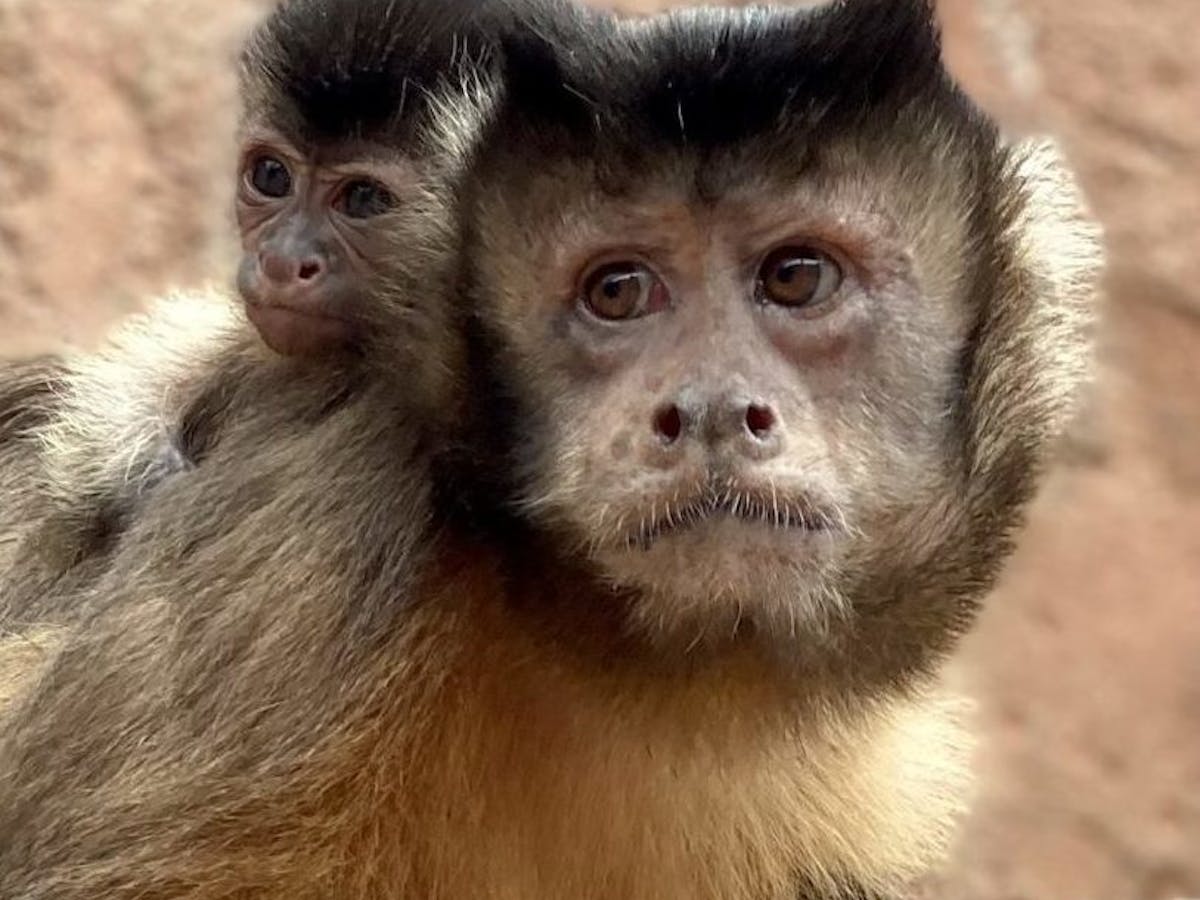
Congratulations to Puff and Shelby, the proud parents of our baby Black-Capped Capuchin. Help us welcome her as the newest member of the Zoo Crew!